Blog

  • What’s our project about?

    What’s our project about?

    1 in 5 women and 1 in 25 men have experienced sexual assault since the age of 16. 

    Sexual Assault Referral Centres (SARCs) provide care to adults and children in the aftermath of sexual assault or rape.

    The MESARCH project is evaluating SARCs across England in order to understand benefits and costs to service users and those who have experienced sexual assault and rape. The project seeks to understand the work that SARCs do and its impact, and where their services sit within the broader context of supporting survivors of sexual violence. The study also addresses a gap in knowledge about long term support required and experiences of survivors of sexual abuse and violence; it will enable us to answer questions about the widespread impacts of violence on health and wellbeing over time along with a range of other outcomes considered important by those with lived experiences of abuse.

    Sexual Assault Referral Centres (SARCs) offer a first point of call for victims of recent and non-recent sexual violence where victims can talk in total confidence about their experience in a safe, caring, environment and receive help, whether the police are involved or not. There are around 50 SARCs across England offering the option of a forensic medical exam to gather evidence of the assault and medical care; emergency contraception and advice and care for sexual health; connecting people with an independent sexual violence advisor and onward referrals for practical and emotional support. SARCs also offer support where someone wishes to assist in a police investigation of an offence against them and will help over the course of a legal process. A person who has experienced sexual assault can either directly contact the SARC themselves, or be referred to the SARC by another person or organisation such as a doctor, nurse, school or member of the police.

    According to the NSPCC, 1 in 20 children experiences child sexual abuse.

    Estimates suggest that child sexual abuse alone costs £182m in health spending annually, meaning that it is very costly to society in terms of lost work, health, police and legal costs.

    Our research is also concerned with how SARCs support children and young people (CYP).  We are working with young survivors of abuse to deliver MESARCH-CYP and using a range of visual, creative and participatory methods to engage young people and to understand how their lives have been affected by abuse and the support they are offered beyond that.

    At present, the true impact of SARCs for survivors and their families is largely unknown. The way things are done at each SARC can vary from one centre to another, and it is not known what works best for different groups of people like men, LGBT service users, and people with particular vulnerabilities such as for a person with disability, for those who are migrant, refugee or seeking asylum, and for children and young people.

    Over four years, are working with those who have experienced sexual abuse, charities, Trusts, the police and staff working at SARCs, in order to understand best practice for SARCs. We are doing this in four main ways:

    1

    Step 1

    Firstly, we are looking at existing research and bringing it all together to see what it says about supporting survivors, what therapies and treatments are most helpful and how does this vary for different groups of survivors.

    2

    Step 2

    We are building on currently available information about SARCs to develop a rich national ‘map’ of SARCs across England and to understand different models of care. To achieve this, we collaborated with the MIMOS team based at University of Leeds. We are also undertaking case studies, involving interviews with commissioning and SARC staff, service users, family members and third sector providers to gain insights into how SARCs care for service users, as well as how they work with other professional services in supporting survivors. 

    3

    Step 3

    With their consent, we are following over one year over 300 adults aged 18 years and above who have attended SARCs, asking about the impact of different interventions and services on their mental and sexual wellbeing, quality of life and economic and emotional costs. Follow-up of the adult cohort will be done on three occasions over the course of the year. We are also inviting a small group of children and young people (aged 13-17 years) from two paediatric sites to take part and share their experiences of recovery. 

    4

    Step 4

    The final phase of our project brings the various threads together and identify key ‘messages’ from the findings. We will share these with those who commission SARCs, deliver day-to-day SARC services, those who work with SARCs, and those who use SARCs or could benefit from attending SARCs but experience difficulties in accessing support more broadly.

    Our project is developed with survivors of abuse and charities that support them to ensure our project will be conducted sensitively and ethically, and will lead to relevant changes in practice and policy.

    The MESARCH project started in September 2018 and will run for just over 4 years. MESARCH is funded by the National Institute for Health and Care Research (NIHR; 16/117/04), being commissioned by the NIHR’s Health Services and Research Delivery Programme.

  • Join a 1000 voices for change

    Join a 1000 voices for change

    Information for research participants

    Our longitudinal (or cohort) study with adults has now closed to new participants. However, there are other parts of our project where people are welcome to get involved. If you are over 18 years old and been affected by sexual abuse or violence, you might consider contributing through our other avenues such as our Lived Experience Group . If you would like to discuss other ways of being involved, please reach us here or email mesarch@coventry.ac.uk

    Our children and young people’s study is still open to referrals from providers who support children who have been to SARC. Please see here for more information.

    This 3-minute video will give you an insight into who we are and why we are undertaking this research.

    Participant Information Sheet 

    You can access the project Participant Information Sheet here for further information. 

    /* Style Definitions */
    table.MsoNormalTable
    {mso-style-name:”Table Normal”;
    mso-tstyle-rowband-size:0;
    mso-tstyle-colband-size:0;
    mso-style-noshow:yes;
    mso-style-priority:99;
    mso-style-parent:””;
    mso-padding-alt:0cm 5.4pt 0cm 5.4pt;
    mso-para-margin-top:0cm;
    mso-para-margin-right:0cm;
    mso-para-margin-bottom:8.0pt;
    mso-para-margin-left:0cm;
    line-height:107%;
    mso-pagination:widow-orphan;
    font-size:11.0pt;
    font-family:”Calibri”,sans-serif;
    mso-ascii-font-family:Calibri;
    mso-ascii-theme-font:minor-latin;
    mso-hansi-font-family:Calibri;
    mso-hansi-theme-font:minor-latin;
    mso-bidi-font-family:”Times New Roman”;
    mso-bidi-theme-font:minor-bidi;
    mso-fareast-language:EN-US;}

    Testimonials

    When I took part in the research I found it very helpful to me. I was able to express my feelings and talk openly about emotions that I couldn’t talk to family or friends about. It made me reflect on my positive future. (Baseline interview, Dec 2019)

    I was very interested in helping you with your Health and Wellbeing study because I have been affected in many ways by the way I was treated by my ex-partner….who is going to be charged. I spent some time in Women’s Refuge after I walked out from abusive relationship. I ended up with no money…no work, no roof over my head and had to try to rebuild my life again. I would love to help so no woman or man has to go through what I and many others affected by abuse had to go through. 
    (6 month interview, Jun 2020)

    I felt at ease throughout the interview even though it wasn’t easy to answer all the questions. I found this interviewer excellent and I was informed of my choices and told the procedure re confidentiality.  I look forward to the next interview as it was a nice feeling to take part in the Study. Also a great incentive with regards to be able to receive the £10 Amazon voucher for taking part. Overall 9/10!
    (Baseline interview, Jun 2020)
     

    Information for professionals 

    If you are a professional working in the field of sexual violence and abuse and would like to know more about this project, view the video below. We are no longer recruiting adult SARC service users into the research.

    Our children and young people’s study is still open to referrals from providers who support children who have been to SARC. Please contact us email mesarch@coventry.ac.uk or visit our CYP page for more information.

  • What’s our project creating?

    What’s our project creating?

    Project updates and publications

    PUBLICATIONS AND OUTPUTS

    2023

    O’Doherty, L., Carter, G., Sleath, E., Brown, K., Brown, S., Lutman-White, E., Jackson, L., Heron, J., Tek Kalsi, P., Ladeinde, O., Whitfield, D., Caswell, R., Gant, M., Halliwell, G., Patel, R., Feder, G. (In-Press). Care and support by Sexual Assault Referral Centres (SARCs) in England for survivors of sexual violence and abuse: a mixed-methods study (MESARCH). NIHR Journals Library.

    O’Doherty, L., Carter, G., Lutman-White E., and Etwaria, R. (In Press). Bringing survivor involvement into the mainstream. In B. Winder, N. Blagden, H. Swaby, K. Hocken, R. Lievesley, C.A. Harper, and P. Banyard (Eds.), Sexual Crime, Victims and Survivors. Springer Nature.

    O’Doherty L, Whelan M, Carter GJ, Brown K, Tarzia L, Hegarty K, Feder G, Brown SJ. Psychosocial interventions for survivors of rape and sexual assault experienced during adulthood. Cochrane Database of Systematic Reviews 2023, Issue 10. Art. No.: CD013456. DOI: 10.1002/14651858.CD013456.pub2. https://www.cochranelibrary.com/cdsr/doi/10.1002/14651858.CD013456.pub2/full

    2022

    A thousand conversations: new evidence to inspire change and inform recovery and healing in the aftermath of sexual violence and abuse
    We held a successful knowledge-sharing event in December 2022 where we shared key findings from our research. The video recordings of the presentations are available here:

    1 Welcome address
    2 What interventions assist in recovery after sexual violence and abuse?
    3 Setting the scene: health and wellbeing of survivors in the weeks and months after support from sexual assault referral centres (SARCs)
    4 Harm and benefit across services: what do survivors value?
    5 Voices of children and young people after SARC
    6 Our campaign to address sexual and domestic violence in young people’s relationships
    7 Health policy perspective
    8 Narratives about risk, resilience and recovery among culturally diverse participants
    9 Integration of SARCs within a community response to sexual violence and abuse: insights from professionals located in Sexual Assault and Abuse Services
    10 Panel discussion on trauma-informed practices across sectors
    11a A conversation on lived experience in research
    11b Lived experience photovoice video
    12 Closing remarks

    A brilliant illustrator (Federica Ciotti) produced some visual minutes of the event which you can find here.

    We have produced briefing papers that highlight the key findings from our Cochrane Reviews into interventions for sexual assault, and experiences and perspectives of survivors, supporters and practitioners. Separate briefings are available for commissioners, providers and practitioners, and survivors.

    Please click here to view our video highlighting the issue of abuse in young people’s relationships. The video contains themes of domestic violence and abuse which some viewers may find distressing. You can read more about the campaign on our News and Events page.

    Brown S, Carter G, Halliwell G, Brown K, Caswell R, Howarth E, Feder G & O’Doherty L (2022) Survivor, family and professional experiences of psychosocial interventions for sexual abuse and violence: a qualitative evidence synthesis. Cochrane Database of Systematic Reviews. Oct 4;10(10):CD013648. DOI: 10.1002/14651858.CD013648.pub2. PMID: 36194890; PMCID: PMC9531960.

    Please click here to view the publication.

    O’Doherty L, Carter G, Lutman-White E, Caswell R, Jackson L, Feder G, Heron J, Morris R & Brown K (2022) Multi-disciplinary Evaluation of Sexual Assault Referral Centres for better Health (MESARCH): protocol for a 1-year cohort study examining health, well-being and cost outcomes in adult survivors of sexual assault attending SARCs in England. BMJ Open. DOI: 10.1136/bmjopen-2021-057449

    Please click here to view the publication.

    2021

    Please click here for the Mesarch Briefing Paper 1 that highlights early findings from the Multi-disciplinary Evaluation of Sexual Assault Referral Centres for better Health.

    Please click here to view the Photovoice pilot production of the MESARCH Lived Experience Group. You can read more about the group here.

    Map of SARCs Infographic 

    We have developed this infographic with the aim of raising the visibility of sexual assault referral centres (SARCs) in England, and for it to be useful to a whole range of individuals who work in settings where survivors may seek help or healthcare. This infographic derives from data that we gathered directly from SARC managers, in coordination with the MIMOS project, and also from our analysis of NHS England and NHS Improvement data.  We know, from our participants in the MESARCH cohort study, just how valuable it is for providers to know what to do and who to contact at the point of disclosure, so please use this infographic to learn more about SARCs and how they can help.

    Please click here to view the infographic.

    2020

    Brown, S. J., Khasteganan, N., Carter, G. J., Brown, K., Caswell, R., Howarth, E., Feder, G.,& O’Doherty, L. (2020). Survivor, family and professional perspectives of psychosocial interventions for sexual abuse and violence: A qualitative evidence synthesis (Protocol). Cochrane Database of Systematic Reviews. doi: 10.1002/14651858.CD013648

    Please click here to view the publication.

    Social distancing and impacts on sexual violence and recovery
    The MESARCH study continued during Covid-19. Please visit our blog to see how we adapted our project during the pandemic.

    2019

    Brown SJ, Khasteganan N, Brown K, Hegarty K, Garter GJ, Tarzia L, Feder G, O’Doherty L. Psychosocial interventions for survivors of rape and sexual assault experienced during adulthood. Cochrane database of Systematic Review 2019, Issue 11. Art. No.: CD013456. DOI: 10.1002/14651858. CD013456

    Please click here to view the publication.

    PROJECT UPDATES

    April 2021 – Dec 2021

    Project webinar
    We held a successful knowledge-sharing webinar in May 2021 where we unveiled some of our preliminary findings. The event was attended by around 150 delegates including researchers, sexual assault referral centres (SARCs) staff, police, charity/third sector support services, NHS staff and social work staff. Our briefing paper highlights early findings from MESARCH and includes links to presentations from the webinar.

    ‘Photovoice’ project
    Our lived experience group created a powerful ‘photovoice’ production. Members of our lived experience group shared and narrated images representing their journeys in relation to their experiences of sexual assault and abuse. They also shared their views about the importance of lived experience within research and their experiences of being involved in MESARCH. The video was unveiled at the May 2021 webinar and received an overwhelmingly positive response. Please click here to view the video.

    Infographic
    We have developed an infographic, in coordination with the MIMOS project, providing a snapshot of SARC care and service provision. The aim of the infographic is to raise the visibility of SARCs in England and is intended to be useful for a range of individuals who work in settings where survivors may seek help or healthcare.

    Understanding the needs of SARC service users
    Information has been gathered about 2500 people who attended SARCs. This included data about service users’ gender, age and ethnicity, their relationship to the person(s) who perpetrated sexual assault against them, any vulnerabilities they might experience at point of entry to SARC and how they were referred to such services. We are grateful for the support we received from SARCs to collect this data. We are comparing this SARC data with national crime survey data to look at any similarities and differences between SARC service users and the wider population of those who have experienced sexual violence and abuse.

    Longitudinal study
    As a result of the extremely hard work and commitment of our project team, SARCs and third sector staff and agencies across England we have been able to recruit 337 participants into the MESARCH study. Recruitment to the longitudinal study has now closed. We would like to thank SARCs, third sector organisations and other agencies for their tremendous support in achieving this aim. We would also like to thank the participants for their willingness and courage to contribute to the research and share their stories with us. We are now continuing to follow up participants at 6 months and at 12 months.

    Children and young people’s study (MESARCH-CYP)
    An important element of MESARCH is finding out the views of children and young people age 13-17. We are working with two SARC areas and associated charity and third sector organisations on MESARCH-CYP. To date, we have spoken to a small number of young people about their recovery journeys and their experiences of support. We are grateful for the support we have received so far in making this part of the research possible and we hope to increase our number of CYP participants over the coming months.

    Lived Experience Group
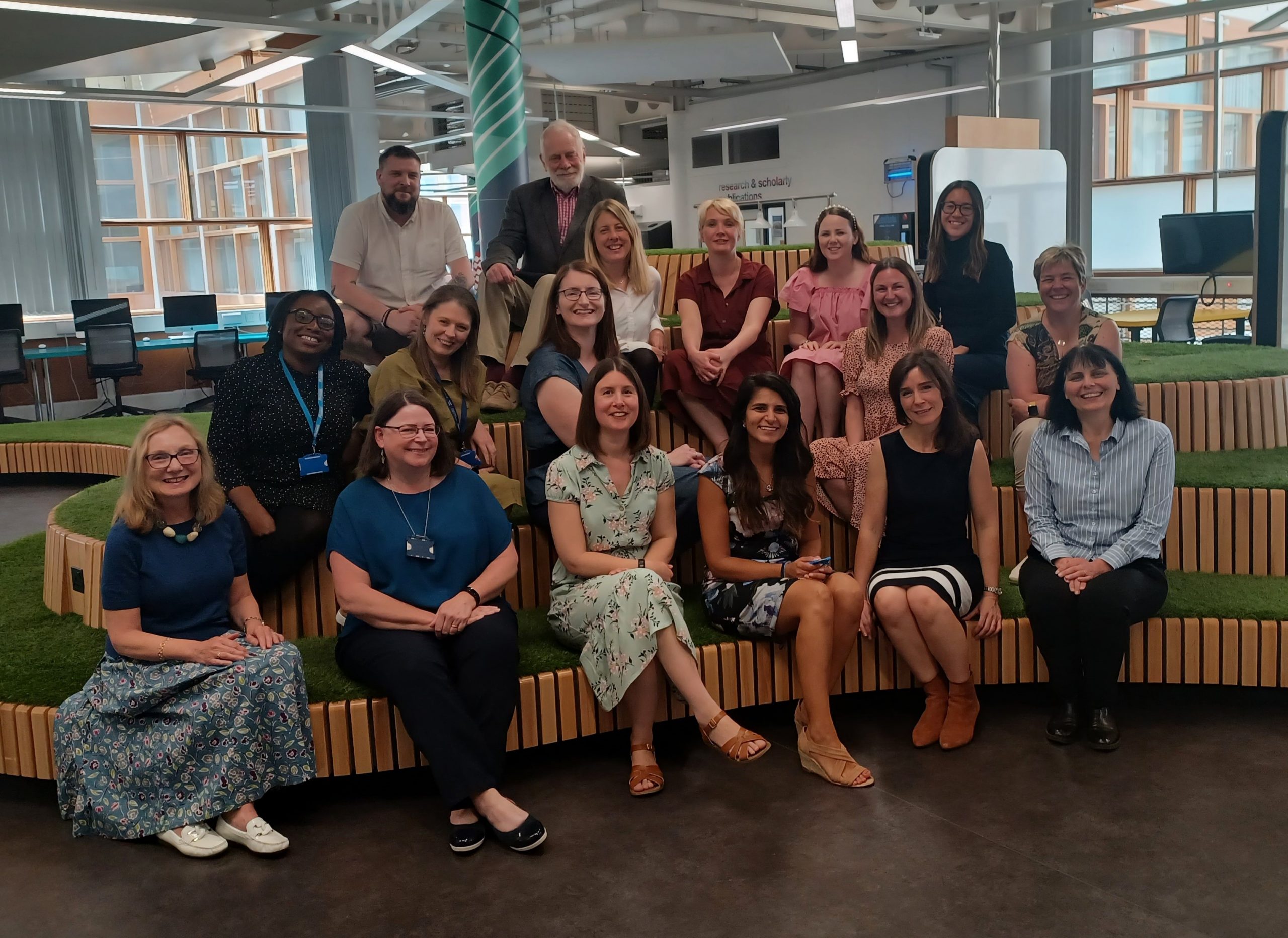
    Our lived experience group continues to support all aspects of our research and they have been integral to the success of MESARCH. Moving forward, we are now thinking about the dissemination of our findings and are beginning to develop publications – we are receiving important input from the Lived Experience Group on these aspects of the research. You can read more about the group here.

    Literature reviews
    The team is also been undertaking two Cochrane Reviews into interventions for sexual assault, and experiences and perspectives of survivors, supporters and practitioners. These reviews have now been completed and submitted to Cochrane for feedback.

    Dissemination
    We shared some of our early findings at the Sexual Violence and Health Research Network annual meeting in November. We are planning a conference devoted to sharing a wide range of findings from MESARCH which will take place on the 7th December 2022.

    There is just one year remaining of this project (due to end in January 2023) and we hope you will help us to maximise what it can achieve. If you would like to hear more, or contribute to our Lived Experiences Group, please get in touch. We would like to thank all those individuals and organisations who have supported us in undertaking this ground-breaking research. By the end of the project together we will have created high quality research evidence that will inform future decision-making in relation to survivor support and care.

  • Where can I get help?

    Where can I get help?

    Normal
    0

    false
    false
    false

    EN-GB
    X-NONE
    X-NONE

    There are many different kinds of sexual violence, including though not limited to rape, sexual assault, child sexual abuse, sexual harassment, rape within relationships, forced marriage, female genital mutilation, and sexual exploitation.

    We understand that getting help can be difficult. If you are worried about abuse happening to you or someone else, you could contact one of the services listed below

    Click here to find your nearest Sexual Assault Referral Centre

    • Police Emergency telephone 999
    • Police Non-Emergency telephone 101


    Rape Crisis 

    Rape Crisis Centres provide frontline specialist, independent and confidential services for women and girls of all ages who’ve experienced any form of sexual violence. Visit
    https://rapecrisis.org.uk/get-help/ for more information or call 0808 802 9999


    The Survivors Trust: Supporting Survivors of Rape & Sexual Abuse

    135 member agencies provide support for all survivors of rape, sexual violence or childhood sexual abuse. For details of support services in your area call 0808 801 0818 or visit www.thesurvivorstrust.org


    Male Survivors Partnership
    Signals national and local support services for male victims/survivors of sexual abuse, rape and sexual exploitation. Call the helpline on 0808 800 5005 or visit www.malesurvivor.co.uk.


    24-hour National Domestic Violence Freephone Helpline
    24/7 confidential helpline. Call 0808 2000 247 or visit www.nationaldomesticviolencehelpline.org.uk or www.womensaid.org.uk for more information.


    NSPCC

    If you are a child or young person under 19 years who needs support or is facing problems or dangers, call Childline on 0800 1111

    If you are an adult who has concerns about a child, call the national helpline on 0800 800 5000

    Visit www.nspcc.org.uk


    Childline

    There to give young people a voice when no one else is listening. This service is for anyone under 19 years.  Trained counsellors are there to support you and are available any time, day or night.  Visit https://www.childline.org.uk for more information or call 0800 1111.


    Napac (National Association for People Abused in Childhood)
    The damage caused by child abuse doesn’t always end in childhood. Napac offers support to adult survivors, friends and family. Call the support line on 0808 801 0331 or visit www.napac.org.uk


    Samaritans
    Dedicated to reducing feelings of isolation and disconnection that can lead to suicide. Samaritans offer support 24/7. Whatever support you need, call them free any time, from any phone, on 116 123 or visit www.samaritans.org.uk 


    Talk to Frank
    Sign posts local support for individuals affected by drugs. Call the national helpline on 0300 123 6600 or visit www.talktofrank.com


    Alcohol Change
    Sign posts local support for individuals and families affected by alcohol. Call the national alcoholics anonymous 24/7 helpline on 0800 9177 650 or  visit www. alcoholchange.org.uk


    If you are concerned about hurting another person, there are organisations to help you:


  • Get in touch

    Get in touch

    If you would like further information about the project, please complete email us at mesarch@coventry.ac.uk and one of the project team members will be in touch soon.

    If you have any comments or complaints you wish to raise in regards to how you have been treated, please contact the ProVice Chancellor for Research using the address: ethics.uni@coventry.ac.uk

    Mailing address:
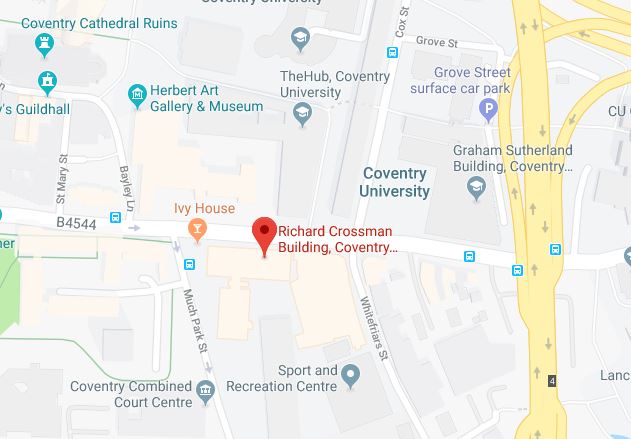
    Centre for Intelligent Healthcare (CIH), Coventry University, Richard Crossman building, Priory Street, Coventry, CV1 5FB

    Email: mesarch@coventry.ac.uk

    Tel: 02477 657470

    Twitter: @TheMESARCHStudy